

In 2005, the United States suspended imports of beluga caviar from the Caspian and Black Sea basins. Even personal effects were included. It is a striking example of how a caviar's identity and origin can determine whether it crosses the border at all.
US caviar rules bring together wildlife protection, food law, customs controls and sanctions. Each is a separate gate. Before planning a commercial transaction, establish the species, lawful source, origin and intended movement, then identify the permits, labels and food controls it requires.
Wildlife paperwork comes before customs release
Customs entry does not replace wildlife clearance. Commercial sturgeon and paddlefish shipments normally need an FWS import/export licence, a designated wildlife port or authorised exception, Form 3-177 and FWS clearance. Arrange inspection before dispatch. Exports require clearance before loading unless FWS authorises otherwise.
The United States implements CITES, the Convention on International Trade in Endangered Species, through 50 CFR Part 23. Section 23.71 covers processed roe from both sturgeons and paddlefish.
CITES export permits and re-export certificates are separate from the operator's business licence. Under 50 CFR 23.71, caviar can be re-exported only within 18 months of the original export permit; pre-Convention certificates cannot be used for caviar. The listing and transaction determine the requirements. The parent guide to caviar law and regulation puts these documents in context.
Labels, registration and re-export
The container touching the caviar carries its traceability record. Under section 23.71, this primary container must have a non-reusable label before export or re-export.
Original packing identifies the species, source, origin country, harvest year, processing plant and lot. Repacking identifies the repackaging year and plant separately from the origin. For hybrids, the male parent's species code comes first, followed by “x” and the female parent's code. These details provide traceability; they do not independently verify the contents.
US processing and repackaging operations entering international trade must address section 23.71's registration provisions. Those provisions do not create a register of every retailer. See caviar labelling laws for the wider comparison.

ESA protection follows the species and population
CITES paperwork cannot authorise a transaction prohibited by the Endangered Species Act, or ESA. The federal list distinguishes whole species from distinct population segments, abbreviated DPS. A generic trade name cannot stand in for these legally defined populations.
For a caviar transaction, that distinction matters: the protections differ by species and population.
- Endangered throughout their listed range: Adriatic, Alabama, Chinese, European, Kaluga, pallid, Sakhalin, shortnose and Yangtze sturgeons.
- Endangered populations: white sturgeon, Kootenai River DPS; Atlantic sturgeon, Carolina, Chesapeake Bay, New York Bight and South Atlantic DPSs.
- Threatened: beluga; Gulf sturgeon; Atlantic sturgeon, Gulf of Maine DPS; green sturgeon, Southern DPS.
- Threatened because of similarity of appearance: shovelnose sturgeon, with commercial-take restrictions defined geographically in section 17.44(aa).
NOAA Fisheries shares federal responsibility for anadromous sturgeons, which migrate between fresh and salt water. Its rules include 50 CFR Parts 223 and 224. Atlantic sturgeon fisheries are also covered by the coastwide harvest moratorium: there is no available commercial roe fishery.
Beluga, legally listed as Huso huso, is threatened. Section 17.44(y) provides conditional exemptions, not unrestricted permission to trade. Check current FWS restrictions before any import, including the restrictions on beluga caviar from the Caspian and Black Sea basins described above. Aquaculture exemptions cover particular facilities and products, rather than all farmed beluga caviar. Read the US beluga caviar ban explained before planning a transaction.
State harvest rules and the Lacey Act
A state fishing licence does not automatically authorise roe sales. Commercial harvest, dealing, processing and sport fishing can each require different permissions. A lawful fishery in one river reach does not establish permission in another.
Illinois provides one example: its commercial roe-harvest permit rules specify species and zones, allowing shovelnose harvest only in designated waters. Tennessee requires a commercial licence plus a roe fish permit; as of 2026 TWRA lists no resident permits available. These are examples of the rules, not a nationwide list of open fisheries. Check current seasons, waters and individual permit availability.
Federal shovelnose restrictions protect endangered pallid sturgeon where the fish overlap. Section 17.44(aa) prohibits commercial take of shovelnose sturgeon, shovelnose-pallid hybrids and their roe in specified waters. Accidental captures must be released immediately, with roe intact. The US Lacey Act can turn an unlawful harvest or trade into a federal offence. It can prohibit importing, exporting, transporting, selling, receiving, acquiring or purchasing wildlife taken or traded in violation of applicable foreign or state law. The prohibited conduct and the person's knowledge matter. Check the legality of the harvest and every subsequent transaction.
FDA naming, processing and additives
For FDA naming purposes, unqualified “caviar” should mean salted sturgeon roe. That is the position in FDA's nonbinding CPG 540.150. For other fish roe, the guidance calls for the fish name in the same type size and a prominent declaration of any permitted artificial colour. This naming guidance is separate from the wildlife rules covering paddlefish.
Seafood processors must meet 21 CFR Part 123, including hazard analysis and a HACCP plan where hazards are reasonably likely to occur. HACCP means hazard analysis and critical control points. Section 123.12 sets importer verification duties. Food labels also need review under Part 101 and applicable fish-allergen requirements.
FDA Import Alert 16-120 addresses seafood HACCP failures. FDA also maintains product-specific seafood alerts, including 16-81. Before shipment, check the actual manufacturer and product entries: an alert number alone does not establish a blanket prohibition.
A preservative authorised abroad may not be acceptable in the United States. Before importing caviar containing boric acid or sodium tetraborate, check FDA's current position on those additives.
Customs and origin-based sanctions
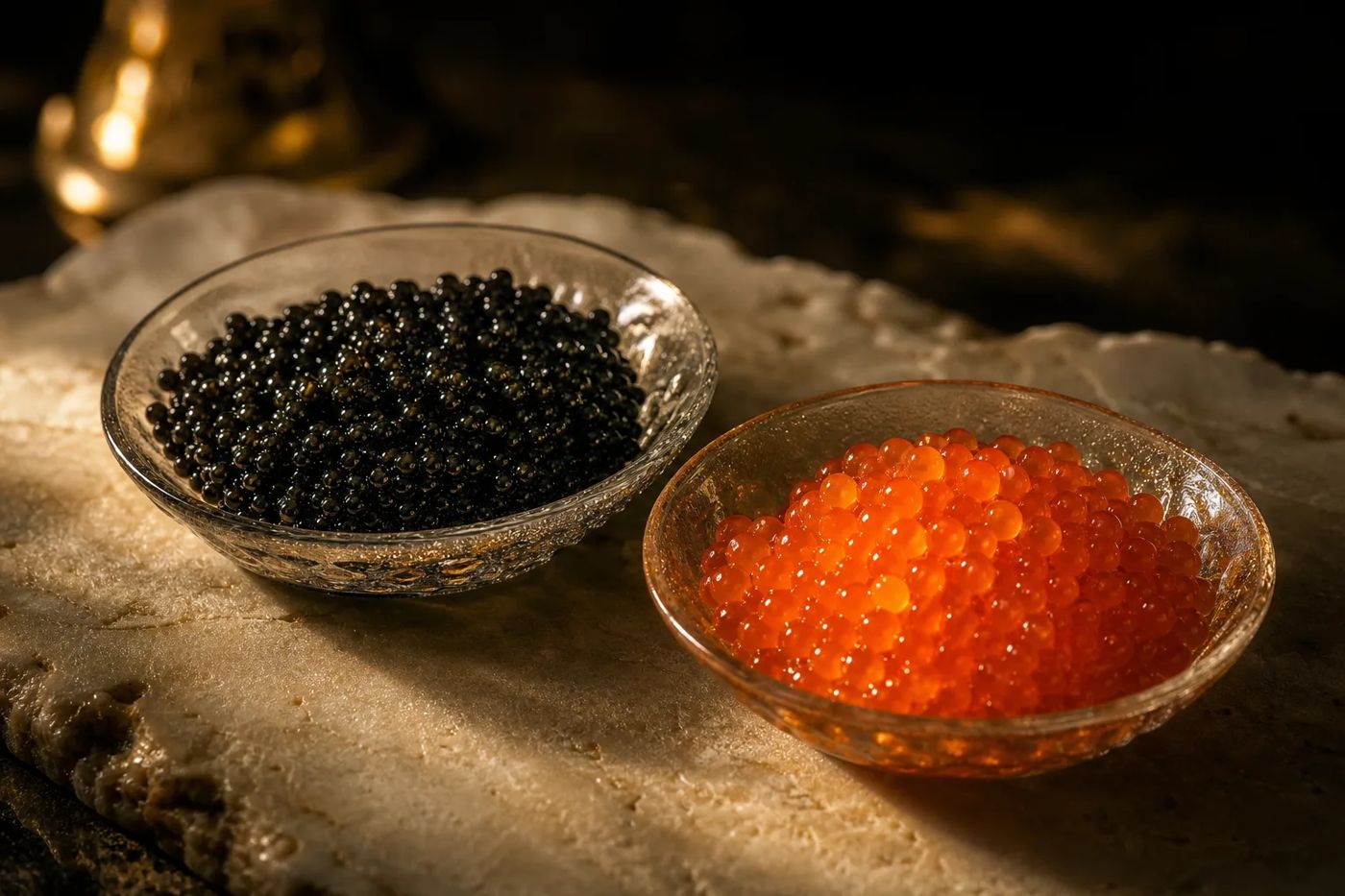
Caviar and caviar substitutes have separate customs classifications: HTSUS 1604.31 and 1604.32 respectively. Before filing, confirm the current ten-digit subdivision and entry requirements with the live USITC schedule and CBP. Tariff classification does not settle whether a consumer-facing food name meets FDA policy.
For hybrids, the male parent's species code comes first, followed by “x” and the female parent's code.
Origin also determines sanctions exposure. Executive Order 14068 prohibits imports of Russian-origin fish, seafood and preparations, including Russian-origin caviar, unless authorised. The additional third-country processing prohibition under the seafood determination issued following Executive Order 14114 names salmon, cod, pollock and crab. CBP also requires importers to self-certify that seafood contains no Russian inputs, including inputs processed in a third country. Keep that specific species list distinct from sturgeon, and do not assume repacking elsewhere changes origin.
Imports of Iranian goods into the United States are generally prohibited under 31 CFR 560.201 unless an exemption or authorisation applies. An earlier general licence allowed imports of Iranian caviar from January 2016, but that authorisation was wound down by 6 August 2018. Obtain sanctions advice on origin, counterparties and payment arrangements before contracting.
Make the purchase specification clear: what fish produced the eggs, where did the fish and roe originate, where did processing occur, and is the proposed movement an import, export, re-export or domestic sale? Before accepting a shipment, reconcile those answers with the supplier's invoice, species identification, harvest origin, processing history and wildlife documents.
Then ask the broker which agency must release the consignment, who will arrange wildlife inspection and who will hold the seafood-import verification records. Resolve discrepancies before the goods move. A distributor's address answers none of the origin or transaction questions by itself, and a relabelled container should not erase the underlying documentary trail.
Which authority governs each check?
| Rule | Where it applies | Legal source | Date checked or action required |
|---|---|---|---|
| Wildlife clearance | US commercial wildlife imports and exports | 50 CFR Part 14 | Check before shipment |
| CITES label | Sturgeon and paddlefish border trade | 50 CFR 23.71 | November 2026 |
| ESA status | Listed species and populations | 50 CFR 17.11, 17.44; Parts 223, 224 | November 2026 |
| Food safety | Seafood processing and imports | 21 CFR Part 123 | November 2026 |
| Food name | US retail labelling | 21 CFR Part 101; CPG 540.150 | November 2026 |
| Additives | Caviar sold in the US | FD&C Act; FDA additive authorisations | November 2026 |
| Customs class | US imports | HTSUS 1604.31 and 1604.32 | November 2026 |
| Sanctions | Russian and Iranian origins | EO 14068; 31 CFR 560.201 | November 2026 |
Travellers and domestic aquaculture
The traveller's allowance is up to 125 g per person, with conditions. Under 50 CFR 23.15, travellers entering or leaving the United States may carry legally acquired caviar from qualifying Appendix II species as personal effects. It must be in individually marked containers bearing the required CITES label, within their own accompanied baggage.
This is a personal-effects exception, not a commercial allowance. It does not override ESA restrictions, sanctions or other entry rules. Read travelling with caviar before relying on it, especially for beluga.
US farms raise white sturgeon in California. As of 2026, the wild San Francisco Estuary population is an ESA candidate. Farming and roe sales require checks of the applicable state authorisations, with permissions depending on species, location and activity. International shipments of farmed sturgeon roe also need the applicable CITES and wildlife clearance documents.
How this differs from Europe
EU or UK authorisation does not establish US admissibility, and US clearance does not establish permission in either market. Each jurisdiction needs its own checks.
EU and UK customs classifications distinguish sturgeon caviar from substitutes under heading 1604, but tariff classification alone does not determine the name permitted on a consumer label. Check Great Britain and Northern Ireland separately where their food rules differ. See caviar law: the complete guide.
Sources
-
US Fish and Wildlife Service, eCFR. 50 CFR 23.71: How can I trade internationally in sturgeon caviar? Current electronic text retrieved November 2026. Regulation.
-
US Fish and Wildlife Service. Information for Importers & Exporters. Undated operational guidance, retrieved November 2026. Agency guidance.
-
US Fish and Wildlife Service. Importing and Exporting Your Commercial Wildlife Shipment. Undated FAQ, retrieved November 2026. Agency document.
-
US Fish and Wildlife Service, eCFR. 50 CFR 17.11: Endangered and threatened wildlife. Current electronic text retrieved November 2026. Federal list.
-
US Fish and Wildlife Service, eCFR. 50 CFR 17.44: Species-specific rules, fishes. Current electronic text retrieved November 2026, particularly paragraphs (y) and (aa). Regulation.
-
NOAA Fisheries. Atlantic Sturgeon. Current species and management account, retrieved November 2026. Agency account.
-
Atlantic States Marine Fisheries Commission. Atlantic Sturgeon. Current management account, retrieved November 2026. Management account.
-
Illinois General Assembly, Joint Committee on Administrative Rules. 17 Illinois Administrative Code 830.13: Commercial Harvest of Roe-Bearing Species. Checked November 2026. State regulation.
-
Tennessee Wildlife Resources Agency. Commercial Fishing. Current licensing guidance, checked November 2026. State guidance
-
Tennessee Wildlife Resources Agency. Commercial Fishing License Application. Current application retrieved November 2026. State application.
-
US Food and Drug Administration. CPG Sec. 540.150: Caviar, Use of Term, Labeling. Reissued October 1989; current guidance page retrieved November 2026. FDA guidance.
-
US Food and Drug Administration, eCFR. 21 CFR Part 123: Fish and Fishery Products. Current electronic text retrieved November 2026. Regulations.
-
US Food and Drug Administration. Import Alert 16-120. Live seafood HACCP alert, retrieved November 2026. Import alert.
-
US Food and Drug Administration. Import Alert 16-81. Live seafood alert record, retrieved November 2026. Import alert.
-
US Food and Drug Administration. ORA Laboratory Manual, Volume IV, Section 10: Food Standards and Additives, Appendix, Answer Key. Copy dated 11 June 2014, page 26; agency-authored document retrieved through an archival host. Archived document.
-
US International Trade Commission. 2012 Harmonized Tariff Schedule Change Record. 2012 edition, recording the introduction of the caviar and substitute subdivisions. Change record.
-
Executive Office of the President, hosted by OFAC. Executive Order 14114: Taking Additional Steps With Respect to the Russian Federation's Harmful Activities. 22 December 2023, amending Executive Order 14068. Executive order.
-
US Treasury, Office of Foreign Assets Control. FAQ 1155: Seafood Determination. 22 December 2023; current page retrieved November 2026. OFAC explanation.
-
US Treasury, eCFR. 31 CFR 560.201: Prohibited importation of goods or services from Iran. Current electronic text retrieved November 2026. Regulation.
-
US Customs and Border Protection. Importing Seafood. Published 6 April 2026. Traveller guidance.
-
US Food and Drug Administration. Import Alert 99-22. Live record, including a flying-fish-roe allergen declaration example, retrieved November 2026. Import alert.
-
US Food and Drug Administration. Import Alerts. Current explanation of detention without physical examination, retrieved November 2026. FDA explanation.
This draft was researched through federal regulations.
Last checked: November 2026