
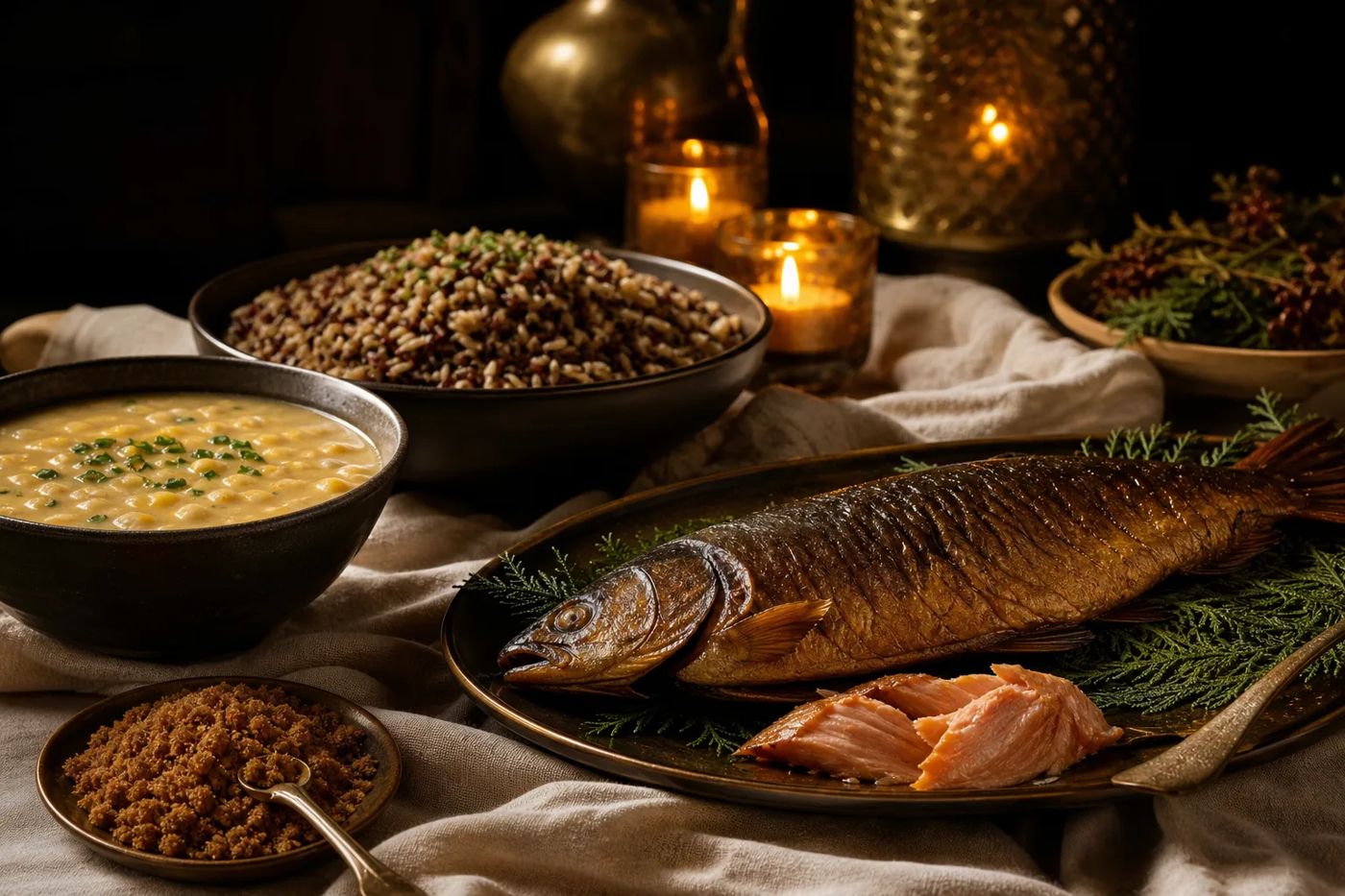
Smoked sturgeon, wild rice, corn soup and maple sugar: the Menominee account of the 2019 Sturgeon Feast describes a meal rooted in the spring return of fish to the Wolf River. It remains a time of thanksgiving.
Across the Menominee, Anishinaabe, Kootenai and Stó:lō communities described here, sturgeon connects food with kinship, ceremony and responsibility for rivers. These distinct, living relationships continue through feasts, teaching, fisheries management and restoration. The fish means far more than its roe.
Whose traditions are described?
The accounts come from the Menominee Indian Tribe of Wisconsin, the Sault Ste. Marie Tribe of Chippewa Indians, the Great Lakes Indian Fish and Wildlife Commission (GLIFWC), the Kootenai Tribe of Idaho and the Columbia River Inter-Tribal Fish Commission (CRITFC). For the Fraser River, this page also draws on peer-reviewed research concerning Stó:lō relationships with white sturgeon.
Each account belongs to a particular people and place. A Menominee spring feast speaks to Menominee life; Fraser River practices belong to their own setting, rather than to Columbia River nations. Even within Anishinaabe communities, GLIFWC notes that clan systems vary.
The focus is on what these organisations and communities explain publicly. Sacred narratives and ceremonial instructions remain outside its scope. For the wider cultural setting, see caviar around the world.
The Menominee: welcoming the sturgeon home
At Keshena Falls on the Wolf River, the spring return of sturgeon brings food and thanksgiving together. An account adapted from writings by Menominee historic preservation officer David J. Grignon describes the fish arriving when winter food supplies were running low.
Sturgeon belongs to a wider food system. Grignon places it alongside other fish, wild game, wild rice and maple sugar, rather than treating it as a food eaten in isolation.
The Tribe's Historic Preservation Department continues to coordinate the annual Sturgeon Feast and Celebration Pow-wow. Public accounts describe the Fish Dance as honouring the sturgeon's return. Its movements, songs and ceremonial instructions are not reproduced here. This is present-day Menominee cultural life, rather than a historical re-enactment.
Bringing the fish home has also required practical intervention. Dams blocked their route to ancestral spawning grounds, and the Tribe and Wisconsin authorities have worked to move fish upstream around the barriers. The restoration effort addresses both a broken river connection and the community's relationship with sturgeon.
Anishinaabe kinship and responsibility
Fishing and caring for water belong together in the Sault Ste. Marie Tribe of Chippewa Indians' public teaching. Its teaching sheet connects fishing with protecting clean water, managing resources and sharing the harvest with children and Elders. Fish have a place within relationships of Creation, beyond their role as food.
The same publication identifies Sturgeon as a branch of the Fish Clan, alongside other named branches. It describes Fish Clan people as thinkers, scholars and problem solvers. Kinship carries responsibilities as well as identity.
A community may retain fishing rights yet have too few fish to exercise them meaningfully.
GLIFWC's public educational material also connects sturgeon with Anishinaabe teaching and contemporary restoration. Its 2025 sturgeon poster includes juvenile fish representing new life and Ojibwe bands' work to restore them to historical waters. The agency's earlier discussion of clans explains that community systems differ.
Read in that local context, these publications offer particular communities' explanations of relationships and obligations. A single clan list cannot serve as a universal chart of Indigenous identity. The responsibilities described here remain active, including through modern conservation work.
Food and materials on the Fraser River
White sturgeon supplied Stó:lō communities of the Fraser Valley with important winter food and useful materials. A 2020 peer-reviewed study describes meat preserved and shared among families and Elders. It draws on historical and ethnographic sources, alongside interviews with Stó:lō fishers and fisheries managers.
The study also records female sturgeons' eggs being boiled and eaten. This is a documented use of roe, meaning fish eggs, with a preparation distinct from salted caviar. Both the ingredient and the way it was prepared matter to understanding the food.
Other parts of the fish served practical purposes. The study describes a black substance along the backbone used as glue. Isinglass, material from the swim bladder, was used for waterproofing, in paint and to seal cracks in canoes. Sturgeon belonged to material culture as well as the food supply.
Oil mattered elsewhere too: the Kootenai Tribe of Idaho's heritage fish consumption report says sturgeon were particularly valued for their oil content. Together these accounts reveal how much disappears from view when the fish is reduced to its eggs, without implying that every nation used every part in the same way.
Commercial fishing and dams changed the relationship
Nineteenth-century commercial fisheries brought a different scale of extraction. Canada's 2017 COSEWIC report identifies intensive historical commercial fishing among the pressures on lake sturgeon. That commercial history is distinct from Indigenous subsistence, sharing and ceremonial harvests, each with its own social purpose.
Dams disrupted the rivers themselves. They can separate fish from spawning habitat and alter the flows on which reproduction depends. On the Columbia, CRITFC reports that hydropower development substantially reduced white sturgeon productivity and fishing opportunities, especially for populations in impounded reaches upstream of Bonneville Dam.
The loss reaches beyond fish numbers. A community may retain fishing rights yet have too few fish to exercise them meaningfully. In submissions on river restoration, the Kootenai Tribe explicitly links depleted native fish populations with its inability to exercise reserved hunting and fishing rights fully. Biological decline has cultural consequences.
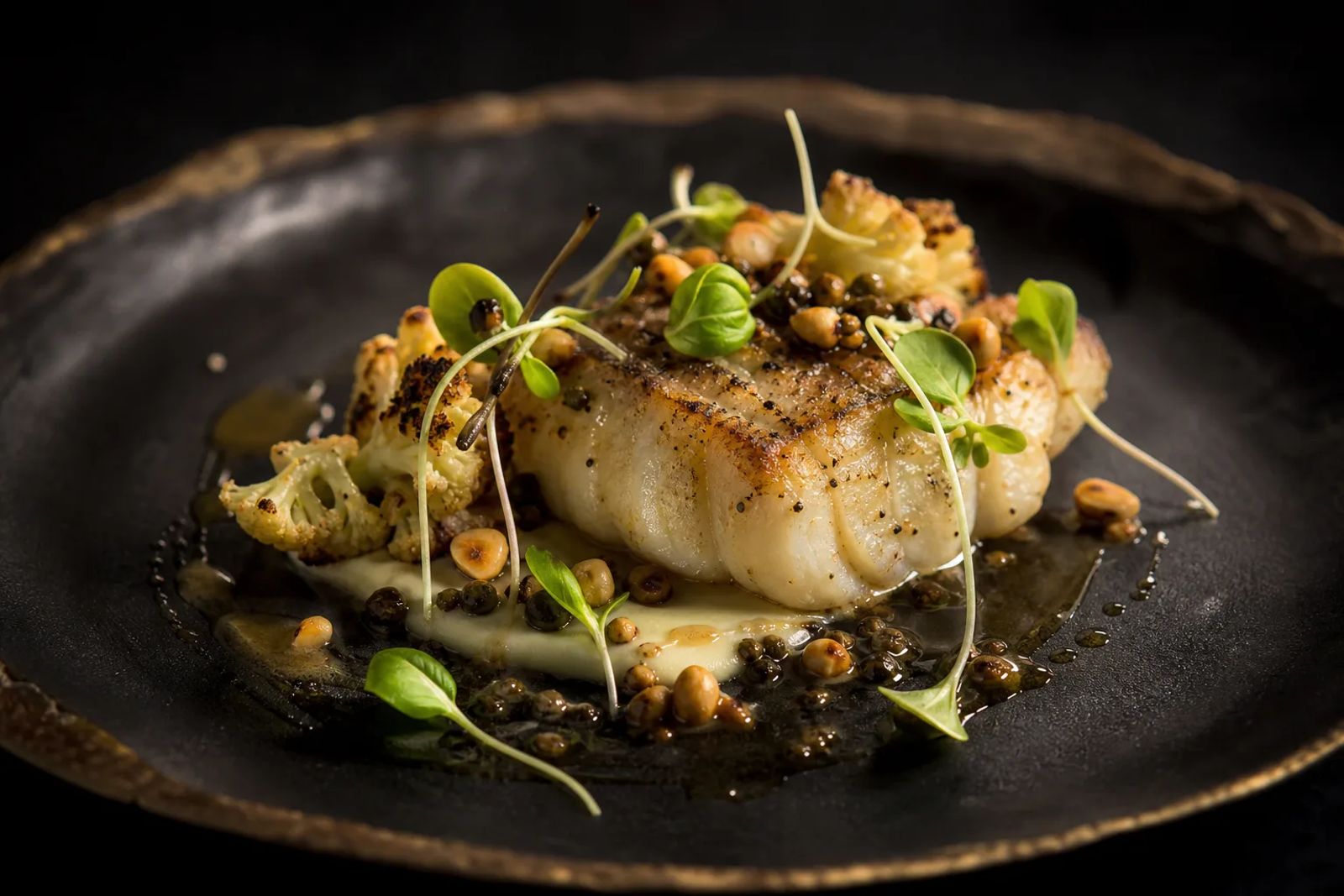
These nations' accounts tell a different story: relationships with particular rivers and fisheries, and the consequences when those relationships are disrupted.
Tribal stewardship is contemporary work
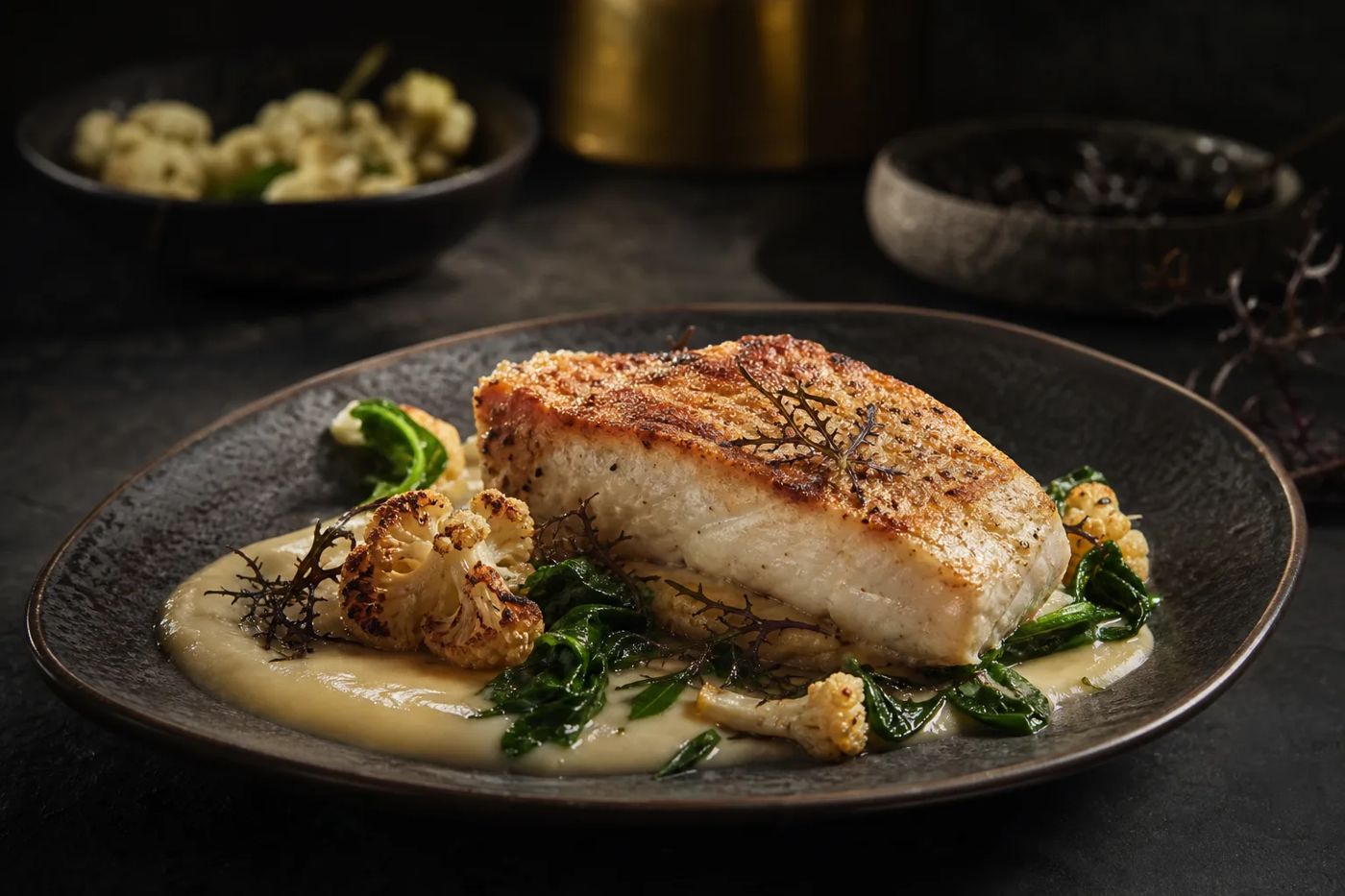
The Kootenai Tribe of Idaho proposed experimental sturgeon aquaculture in 1988. The programme made its first hatchery releases in 1992. Its purpose is conservation: raising fish to support recovery in the river, rather than farming roe for food.
Recovery also requires habitat. A 2025 US Geological Survey report documents a Tribe-led, interagency restoration programme intended to restore and maintain habitat for sturgeon, burbot and other native fish. Hatchery releases and river restoration tackle different parts of the problem. Releasing fish alone does not demonstrate that natural reproduction has recovered.
On the Columbia, CRITFC serves the Nez Perce Tribe, the Confederated Tribes of the Umatilla Indian Reservation, the Confederated Tribes of the Warm Springs Reservation of Oregon and the Confederated Tribes and Bands of the Yakama Nation. Its work includes fisheries science and management supporting sturgeon restoration.
CRITFC's white sturgeon hatchery master plan proposes support for fisheries in impounded Columbia and Snake River reaches while protecting natural populations and the ecosystem. It sets out the Commission's management aims and proposed facilities, rather than documenting that every facility has been built.
This is tribal governance, research and engineering in practice. The tribes are doing more than participating in someone else's conservation project.
Fishing rights in the US and Canada
Treaty fishing rights in the United States arise from particular treaties and their interpretation. CRITFC says its four member tribes reserved fishing rights in 1855. These are specific rights and governmental responsibilities, rather than a single permission applying to all Indigenous people or simply a cultural interest in fish.
In Canada, section 35 of the Constitution Act, 1982 recognises and affirms existing Aboriginal and treaty rights. Fisheries and Oceans Canada explains that fishing rights are specific to groups, places and species. Food, social and ceremonial fishing and commercial fishing are distinct legal categories, not interchangeable terms.
For any current decision about catching sturgeon, consult the relevant nation's rules and the applicable fisheries and conservation law. These general contexts do not determine whether someone may fish in a particular water. A historical harvest account does not authorise the same harvest today.
Conservation assessments require the same attention to legal and geographical detail. Canada's COSEWIC gave four lake sturgeon population groups three statuses in 2017. Those scientific assessments are distinct from listings under the Species at Risk Act and must be described accordingly.
In the US, federal and state decisions differ. The US Fish and Wildlife Service found in 2024 that federal Endangered Species Act listing was not warranted, while Michigan lists lake sturgeon as threatened (checked November 2026).
A short timeline
| Date | Documented event |
|---|---|
| 1855 | The four CRITFC member tribes conclude treaties reserving fishing rights. |
| 1988 | The Kootenai Tribe proposes sturgeon studies and experimental aquaculture. |
| 1992 | The Menominee revitalise the Sturgeon Feast and Celebration Pow-wow; the Kootenai programme makes its first hatchery releases. |
| 2025 | USGS publishes its report on habitat restoration led by the Kootenai Tribe. |
Sources
-
Menominee Indian Tribe of Wisconsin, Historic Preservation Department, current departmental webpage, undated. Documents the department's continuing responsibility for the annual feast and celebration. Official departmental page.
-
Fox-Wolf Watershed Alliance, “The Sturgeon Are Coming Home”, 30 April 2022. Explicitly adapted from writings provided by David J. Grignon (Nahwahquaw), rather than treated here as an unattributed account of Menominee traditions. Published account.
-
Sault Ste. Marie Tribe of Chippewa Indians, Anishinaabe Teachings of the Fish (Giigoonh): The Fish Clan (Giigoonh Dodem), public teaching sheet, undated. Tribal publication.
-
Great Lakes Indian Fish and Wildlife Commission, Ojibwe clan systems: A cultural connection to the natural world, Mazina'igan, autumn 1999, page 22. The article acknowledges information shared by Mille Lacs Elder Jim Clark and Barbara Benjamin-Robertson. Issue PDF.
-
Great Lakes Indian Fish and Wildlife Commission, Educator's Corner, current webpage, including its explanation of the 2025 sturgeon poster. Educational material.
-
Sustainability, MDPI, Towards Biocultural Conservation: Local and Indigenous Knowledge, Cultural Values and Governance of the White Sturgeon (Canada), volume 12, issue 18, article 7320, 2020. Sections 3.1 and 3.2 provide the historical and ethnographic synthesis used here. Journal article.
-
US Environmental Protection Agency and Kootenai Tribe of Idaho, Heritage Fish Consumption Rates of the Kootenai Tribe of Idaho, 16 December 2016. Report PDF.
-
COSEWIC, Assessment and Status Report on the Lake Sturgeon, Acipenser fulvescens, four populations, in Canada, 2017. Government publication.
-
Columbia River Inter-Tribal Fish Commission, White Sturgeon Hatchery Master Plan, December 2015 edition, with the Commission's document summary. Plan and summary.
-
Kootenai Tribe of Idaho, Recommendations for amendments to the Columbia River Basin Fish and Wildlife Program, submission dated 4 April 2008. Tribal submission.
-
Kootenai Tribe of Idaho, hosted by the Northwest Power and Conservation Council, Implementing an Integrated, Ecosystem-based Restoration Program to Recover Kootenai River White Sturgeon, presentation, undated retrieved edition. The conservation aquaculture timeline records the programme milestones used here. Presentation PDF.
-
US Geological Survey, Effects of Restoration Work on Kootenai River Acipenser transmontanus (White Sturgeon) Critical Habitat, Kootenai River, Northern Idaho, 2011 to 2022, Scientific Investigations Report 2025-5071, 2025. Report PDF.
-
Columbia River Inter-Tribal Fish Commission, About Us, current webpage, undated. Commission account.
-
Fisheries and Oceans Canada, Book 2, Tab B2: Crown-Indigenous relationship overview, 2022 briefing material. Government overview.
-
US Fish and Wildlife Service, 12-Month Finding for Lake Sturgeon, Federal Register, volume 89, 23 April 2024, pages 30311 to 30314. Federal finding.
-
Michigan Department of Natural Resources, Threatened and endangered species list, current webpage reproducing Rule R 299.1023. State list.
This article was researched through public tribal and intertribal publications, attributed Indigenous historical writing, peer-reviewed scholarship and government records; no private ceremonial knowledge or first-hand interviews were used.
Last checked: November 2026